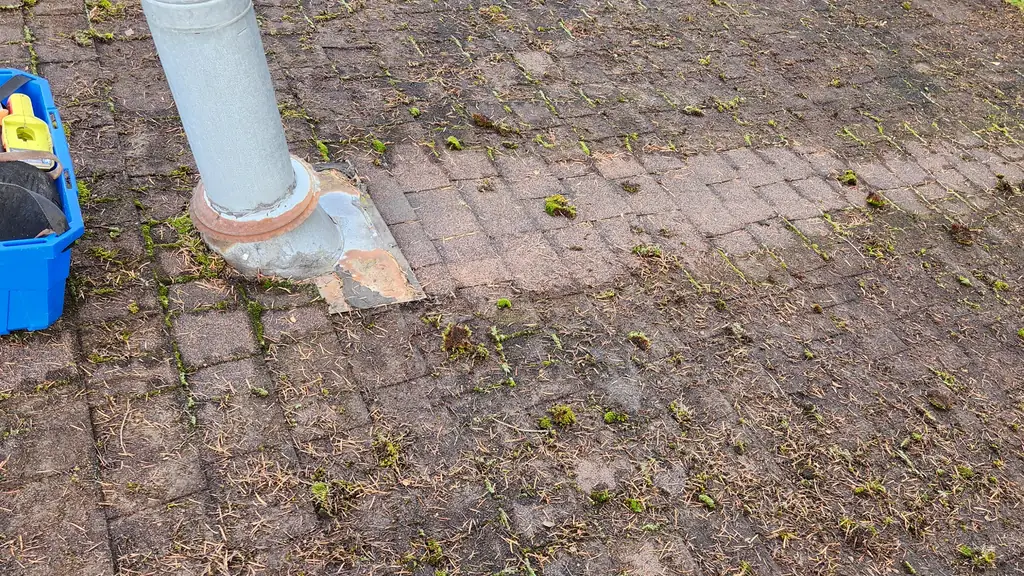
The first time I drove through Hope on my way to a roofing job, the clouds were sitting right on the highway. Not fog from the Fraser River like we get back home in Agassiz, but thick mountain cloud pouring through the Coquihalla pass like someone left a tap running. That was the moment I understood why roofs in Hope take a beating that most Fraser Valley contractors never see.
My brother Johnny and I started roofing in 2016, working out of Agassiz. Before that, we spent a decade as Red Seal Journeyman Boilermakers in the Alberta oil sands, Suncor, Syncrude, CNRL Kearl Lake. The oil field taught us that cutting corners gets people hurt. Now that we are on roofs instead of scaffolding, that mentality has not changed. Every harness point gets checked. Every tie-off gets tested. And every roof gets built for the worst weather the mountains can throw at it.
What Makes Hope Different from the Rest of the Valley
Hope is not Chilliwack. It is not Abbotsford. It is the point where the Fraser Valley ends and the mountains begin, and the weather knows it. Orographic lift pushes Pacific moisture straight up against the Cascades, and what comes down is relentless. Hope averages 1,800mm or more of annual precipitation, roughly 20% higher than communities just 40 kilometres to the west. That extra moisture changes everything about how a roof needs to be built. Last updated: February 2026.
- Orographic rainfall dumps 20% more water on Hope than on Chilliwack, meaning drainage and waterproofing have zero room for error
- The Coquihalla corridor funnels wind gusts that regularly exceed 100 km/h during Pacific storms, testing every fastener on the roof
- Mountain-effect snow (locals call it "Cascade concrete") can weigh 20+ pounds per square foot per foot of depth, nearly seven times heavier than dry powder
- Cold air drainage from the peaks creates sudden temperature drops that accelerate freeze-thaw cycling on shingles and flashing
- Persistent morning fog and year-round humidity above 80% feed moss and algae growth faster than anywhere else in the valley
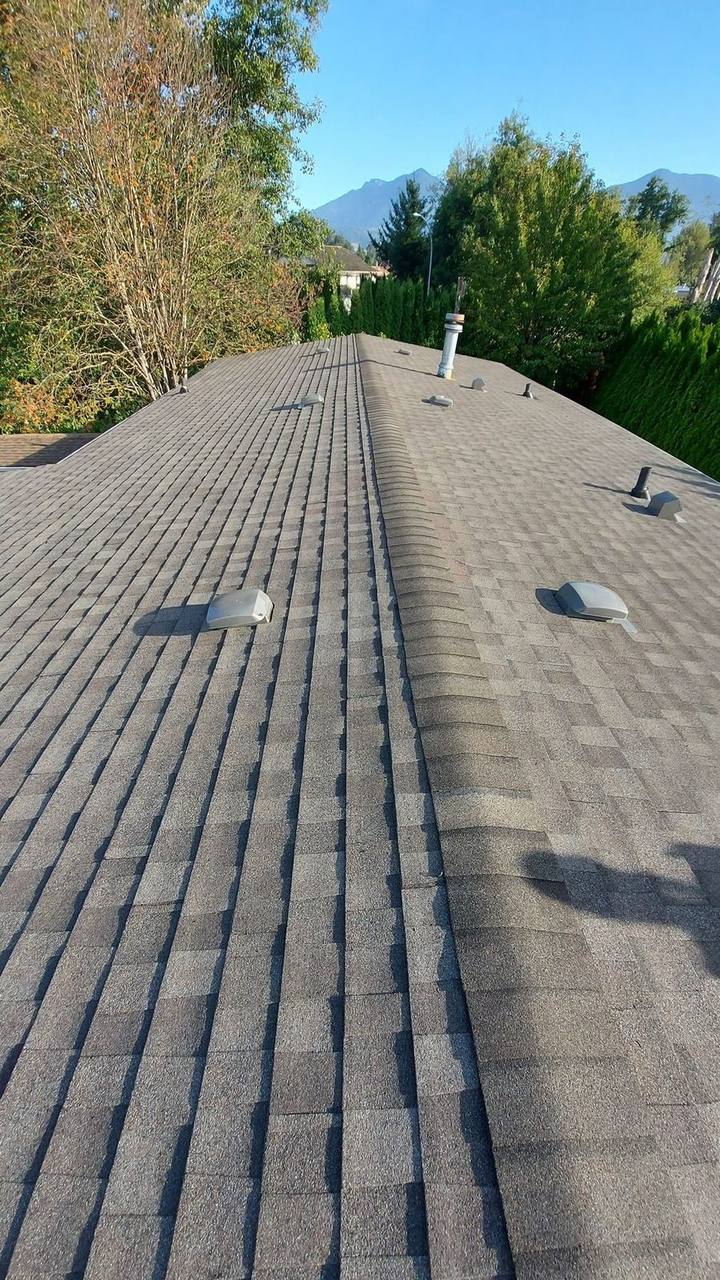
Lessons We Learned the Hard Way on Hope Roofs
When we started taking jobs in Hope, we installed ice and water shield to the standard 3-foot code minimum from the eaves. Within two seasons, a customer called about water staining near the ceiling edge. Ice dams were forming further up the roof than we had seen in Agassiz. Now every Hope install gets a minimum 6-foot ice and water shield extension from the eaves, and we go further on north-facing slopes. That one callback taught us more than any training manual.
If you live in Hope and hear creaking sounds from your roof structure during heavy snowfall, or your doors start sticking, do not wait. These are signs of excessive snow loading. Call a professional immediately, do not climb up to investigate.
The Roofing Systems That Actually Survive Here
After completing dozens of projects in Hope since 2016, Johnny and I have narrowed down what works and what fails in this microclimate. Cheap 3-tab shingles that last 20 years in Abbotsford might give you 12-15 in Hope. The constant moisture cycle eats through adhesive strips and accelerates granule loss. Here is what we actually install and trust:
- Standing seam metal roofing with a minimum 4:12 pitch, the panels shed snow and rain naturally, and concealed fasteners eliminate the most common failure point
- Heavy-duty synthetic underlayment rated for prolonged moisture exposure, not the builder-grade felt that disintegrates in one Hope winter
- Extended ice and water shield membrane running 6 feet from every eave edge, and further on shaded or north-facing sections
- Double-sealed flashing at every valley, chimney, vent, and skylight penetration, because single-seal flashing in Hope is a leak waiting to happen
- Ridge ventilation paired with adequate soffit intake to combat the condensation that Hope's humidity pushes into every attic
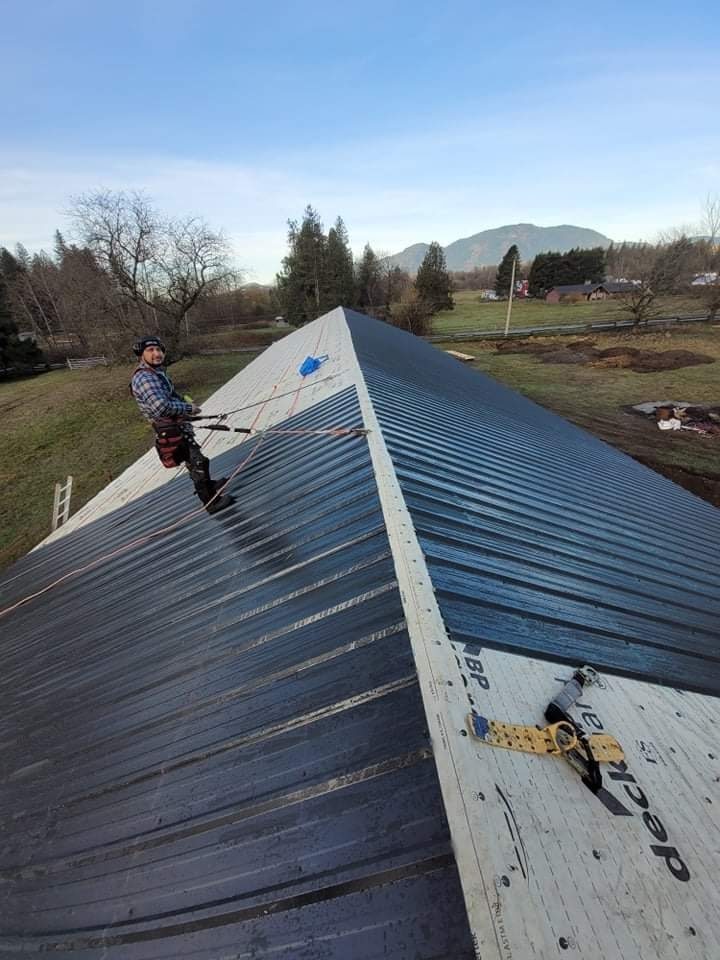
We install 24-gauge steel with Kynar 500 factory coatings on our Hope metal roof projects. This is the same coating used on commercial high-rises and rated for decades of corrosion resistance, exactly what the Cascade moisture demands.
Moss, Fog, and the Invisible Damage Nobody Warns You About
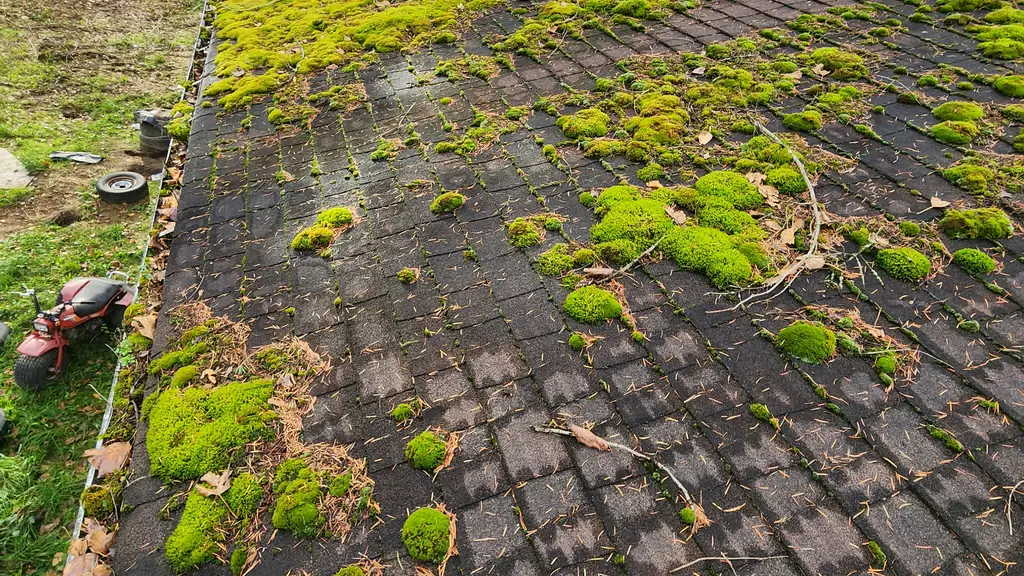
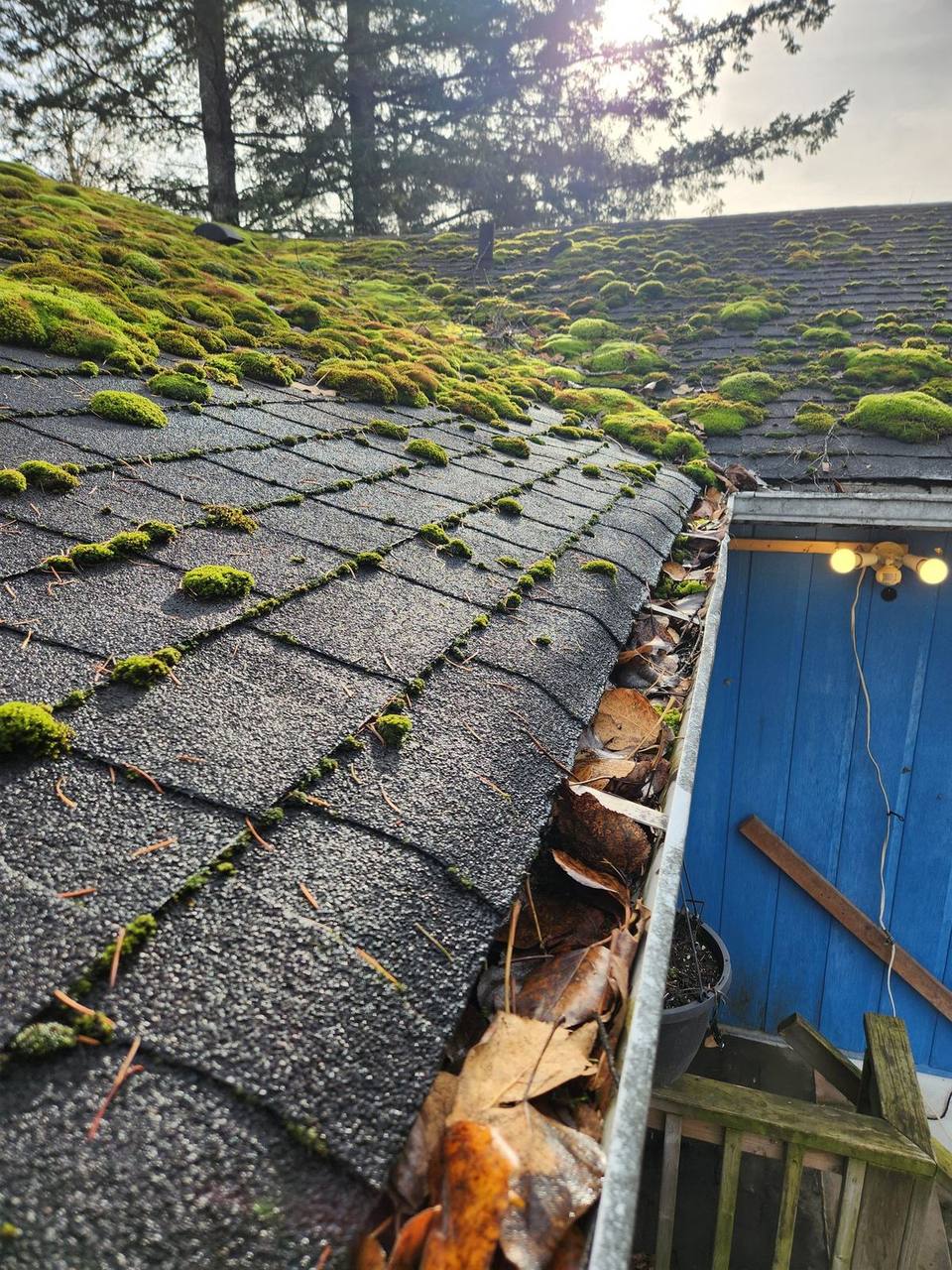
The dramatic stuff (a tree branch through your decking during a Coquihalla windstorm) gets your attention. But the real enemy in Hope is the quiet, constant moisture. Morning fog rolls off the river and sits against your roof for hours. By the time the sun burns it off (if it even does), your shingles have been soaking. Do that 300 days a year and the moss takes hold, the wood rot starts underneath, and the shingle adhesive strips break down years ahead of schedule.
- Zinc or copper strips installed at the roof peak release ions during rain that kill moss and algae, one installation protects for years
- Annual roof cleaning before the October rain season prevents organic buildup from trapping moisture against your materials
- Trimming overhanging tree branches improves airflow and sunlight exposure, which naturally inhibits moss growth
- Algae-resistant shingle options are worth the upgrade in Hope, standard shingles will be green within two seasons
Why We Drive Out to Hope, And Why That Matters
Fraser Roofing is based in Chilliwack, about 40 minutes from Hope along Highway 1. Some customers ask why they should not just hire a Vancouver crew. The answer is simple: a Vancouver roofer installs for Vancouver weather. They spec materials for 1,200mm of rain and mild winters. Hope gets 50% more precipitation, real snow loads, and Coquihalla wind events that Vancouver never sees. We drive the same highway Hope residents drive. We watch the same weather roll in. When the forecast calls for a Coquihalla outflow, we know what that means for your roof because we see it hit ours first in Agassiz.
Johnny and I built this company on oil field discipline, no shortcuts, no walking away until the job is watertight, and every person on the crew tied off like their life depends on it, because it does. We have completed residential roofs across the Fraser Valley, and the Hope projects are the ones that test every skill we have. That is exactly why we keep taking them. If you need roofing work in Hope, give us a call at 604-728-0146 or email johnny@fraserroofing.ca. We will come look at your roof and give you a straight answer about what it needs.
Hope homeowners should schedule professional roof inspections annually rather than the every-2-3-years recommendation for lower valley communities. The heavier weather exposure means problems develop faster. Spring inspections after winter storms are the most valuable timing.