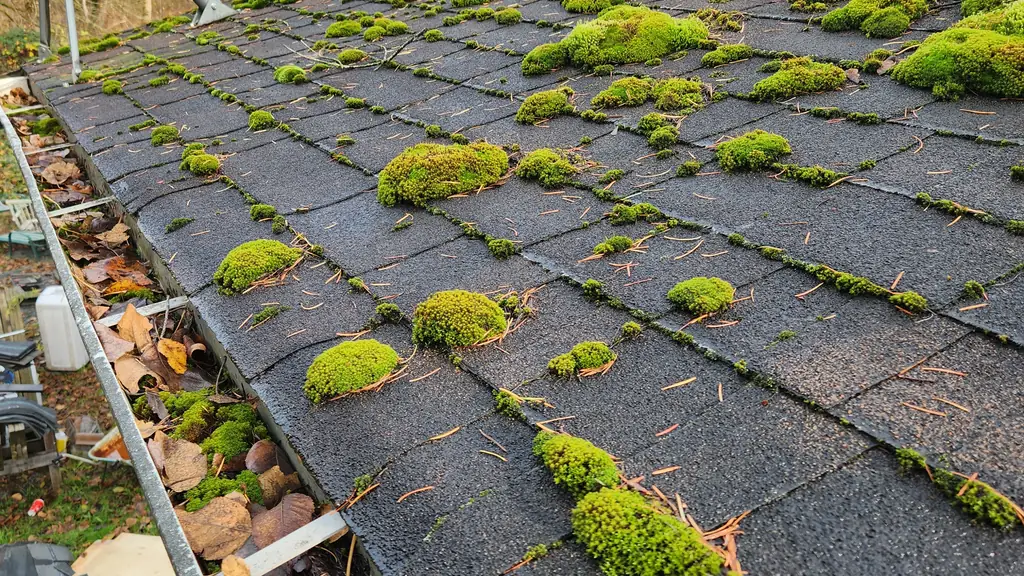
I have crawled into attics that smelled like wet dog and mushrooms at the same time. I have walked roofs in Agassiz where the shingles felt spongy under my boots, that feeling when you know the sheathing underneath is gone. After ten years of roofs inspected and torn off across the Fraser Valley, Johnny and I have developed an inspection process that goes way beyond the standard clipboard checklist. This is the real version, what we actually look for, why we look there, and what most inspectors miss in a climate as punishing as ours.
Why Fraser Valley Inspections Are Different
Most roof inspection guides are written for places that get normal amounts of rain. The Fraser Valley is not normal. Agassiz and Hope get over 1,800mm of rainfall per year, more than five feet of water landing on your roof annually. Add the river fog that rolls off the Fraser most mornings from October through March, the freeze-thaw cycles, and the moss that grows on everything, and you are dealing with conditions that accelerate roof failure in ways that a standard inspection misses. When Johnny and I started roofing in 2016, we brought our oil field mentality with us: inspect everything, assume nothing, document it all.
Last fall we inspected a 12-year-old roof in Harrison Hot Springs that had passed an inspection by another company six months earlier. We found three square feet of rotten sheathing under the valley flashing and active mold in the attic. The previous inspector never went into the attic and never walked the roof. He stood on the ground with binoculars. That is not an inspection, that is a guess.
The Ground Walk: Before We Touch a Ladder
Every inspection starts on the ground. We walk the entire perimeter of the house and look up. You learn a lot from the ground that you cannot see from the roof. This takes about ten minutes and it tells us where to focus once we are up there.
- Visible shingle damage from ground level, missing tabs, lifted edges, dark streaks indicating granule loss
- Flashing visible around chimneys and plumbing stacks, looking for rust, separation, or missing cap flashing
- Soffit condition, paint peeling, wood rot, or blocked intake vents under the eaves
- Staining patterns on exterior walls that indicate where water is traveling when it should not be
- Drip edge and fascia condition, checking that metal edges are intact and water can drain away from the structure
- Tree proximity and overhanging branches, these drop debris, block sunlight, and feed moss growth
Walking the Roof: The 47-Point Surface Check
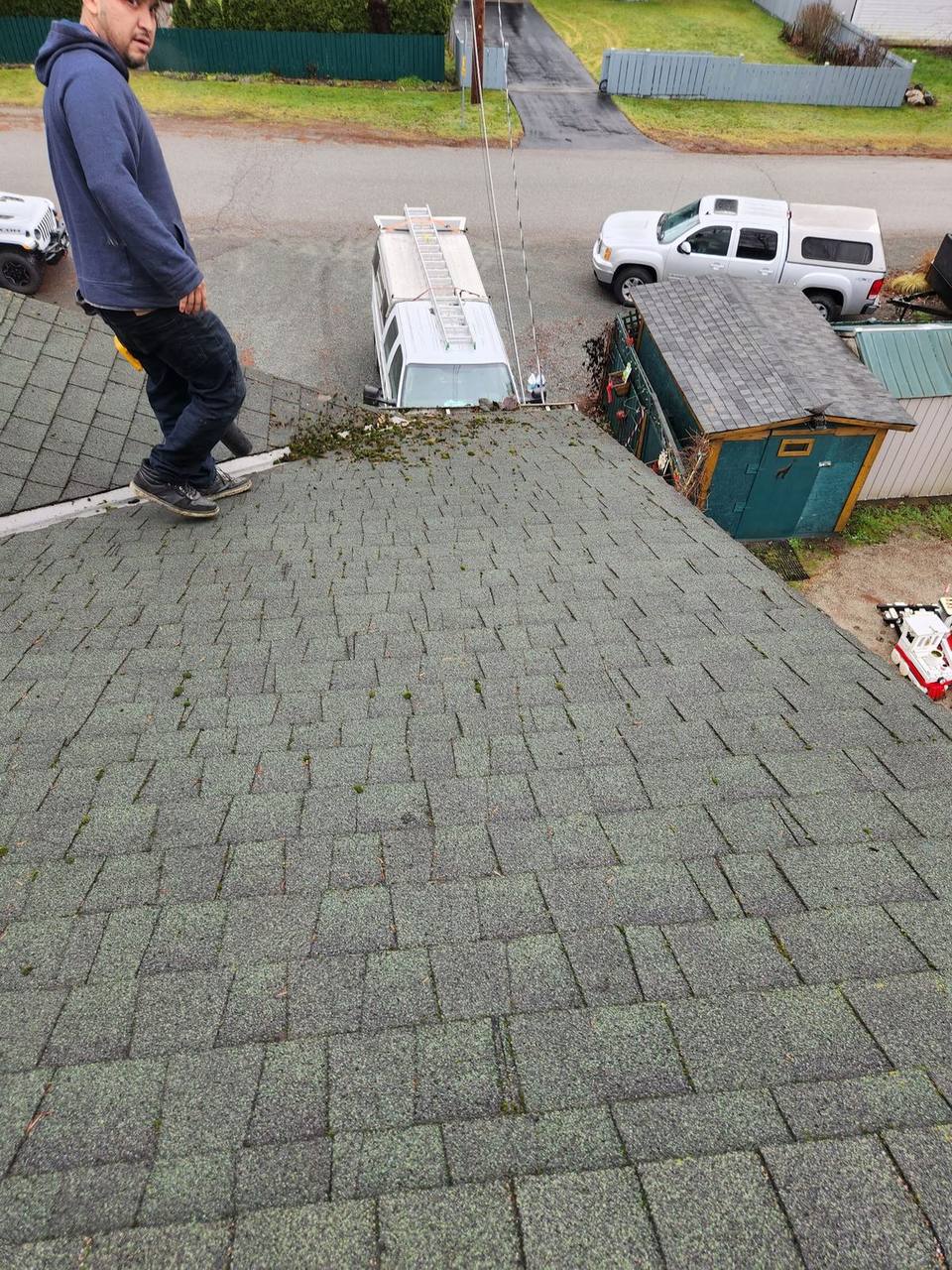
Once we are up, we walk every square foot. Not just a look from the ridge, we walk it. Johnny taught me this one: you can feel a soft spot through your boots before you can see it. If the sheathing underneath is rotting, the roof surface flexes under your weight in a way that healthy decking does not. That physical contact with the surface is something no drone, no binoculars, and no ground-level inspection can replicate.
- Shingle granule check, we run our hand across the surface to feel for bare spots and look for granule loss indicators
- Nail pops, fasteners backing out create bumps under shingles that become direct water entry points
- Valley condition, valleys channel the most water and fail first, we check for erosion, debris buildup, and sealant failure
- Ridge cap integrity, we inspect every ridge cap shingle for cracking, lifting, and sealant bond on both sides
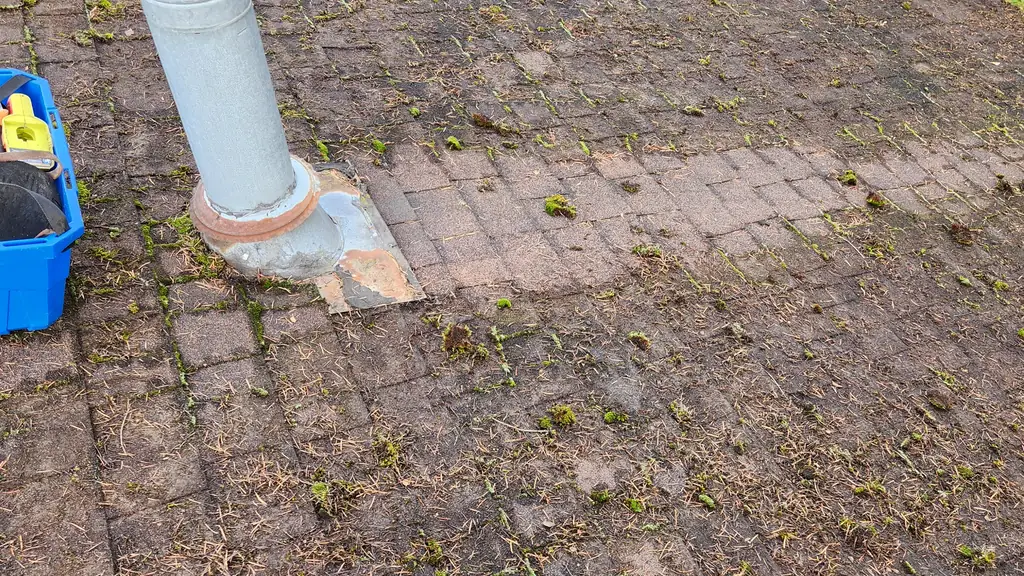
- Penetration flashing, every pipe boot, chimney, skylight, and vent gets a physical tap test with a tool handle to check the bond
- Drip edge condition, the metal edging along eaves and rakes that directs water away from the wall
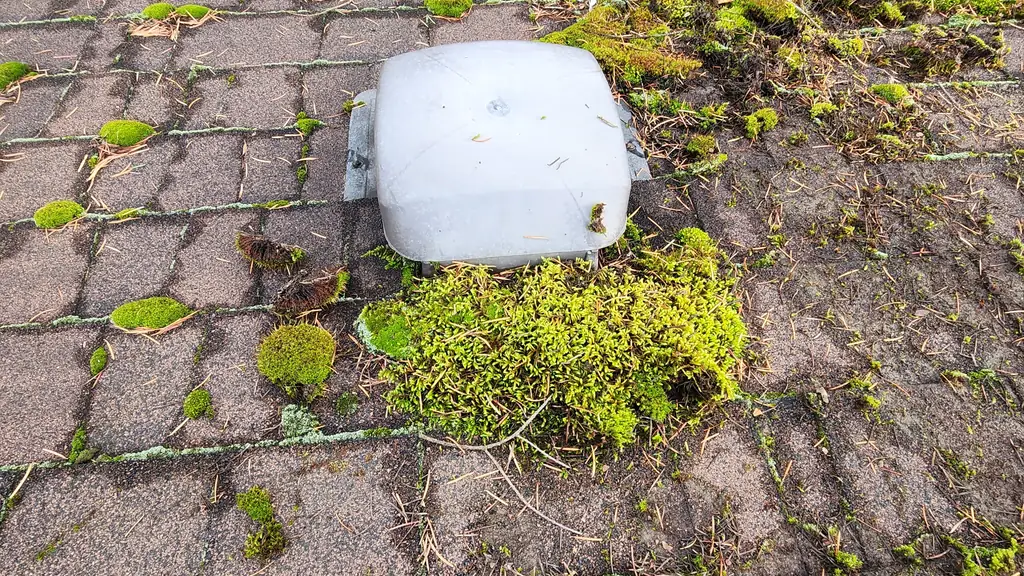
- Moss mapping, we note every patch of moss growth, its size, and which direction the slope faces to predict future spread
The flashing tap test is something Johnny developed from our boilermaking days. We tap the base of every flashing with a tool handle and listen. A solid bond sounds like tapping a countertop. A failed bond sounds hollow, like tapping a cardboard box. We have caught dozens of hidden flashing failures this way that looked perfect from the surface, sealant intact on top, completely separated underneath.
The Attic Crawl: Where the Real Story Lives
If someone inspects your roof without going into the attic, they did not inspect your roof. Period. The underside of the deck tells you everything, moisture history, ventilation problems, structural issues, insulation failures. I will be honest: attic crawls are miserable. They are hot in summer, cold in winter, cramped, dusty, and full of insulation fibers. But they are where we find the problems that save homeowners thousands of dollars.
- Moisture staining on rafters and sheathing, dark discoloration indicates past or active water intrusion
- Mold presence, in the Fraser Valley humidity, mold can establish in attics without any active leak, just from condensation
- Ventilation airflow, we check every soffit bay to see if insulation is blocking intake vents, which is the number one ventilation problem we find
- Daylight test, visible light through the deck means gaps in the sheathing that water will find
- Insulation coverage and depth, thin or displaced insulation creates cold spots that cause condensation on the deck above
- Bathroom and kitchen exhaust routing, roughly one in five Fraser Valley homes vents exhaust fans into the attic instead of outside, pumping moisture directly into the roof structure
- Rafter and truss integrity, we look for cracking, splitting, sagging, or signs of previous amateur repairs
In January 2025, we inspected a home in Chilliwack where the bathroom fan had been venting into the attic for eight years. The plywood sheathing above the bathroom had turned black with mold and was soft to the touch. The homeowner had no leaks, no stains on the ceiling, and no idea. The repair cost $2,400. If that had gone another two years, the entire rear section of roof deck would have needed replacement, a $12,000 job.
What Most Inspectors Miss in Wet Climates
After seeing inspections from other companies (reports that homeowners show us when they want a second opinion) there are consistent blind spots. These are not bad intentions. Most inspectors were trained for average-climate roofing. The Fraser Valley is not average.
- Kickout flashing where roof meets sidewall, the number one missed detail, and the number one cause of hidden wall rot behind siding
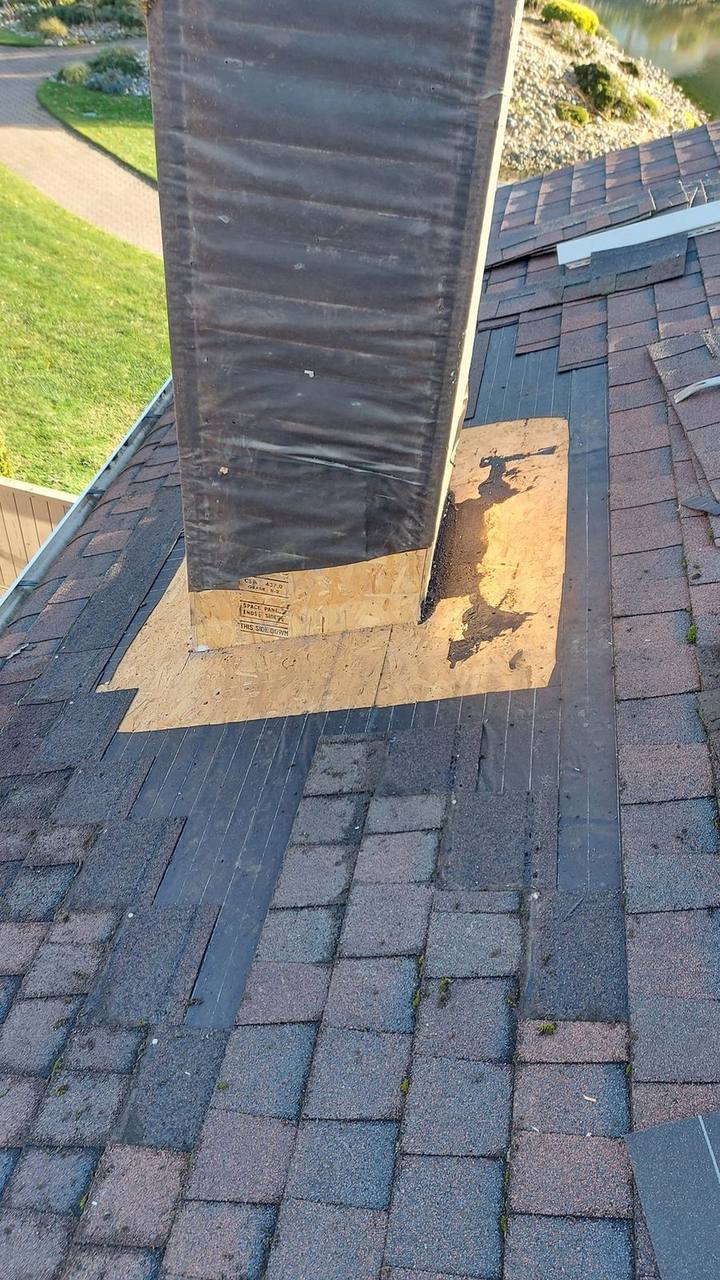
- Step flashing behind counter-flashing on chimneys, you cannot see it from the surface but it rusts and fails in our climate within 15 years
- Soffit vent blockage from inside, vents that look clear from outside but are completely covered by insulation from the attic side
- Micro-cracks in pipe boot rubber, UV and freeze-thaw cycling in the valley cracks rubber boots that look intact from more than two feet away
What You Get From Us After an Inspection
We leave every inspection with the same deliverables, whether you are a first-time homebuyer in Agassiz or a property manager with twenty units in Abbotsford. No surprises, no pressure, no sales pitch disguised as an inspection.
- A written report with every finding documented and explained in plain language, no jargon, no codes you need to look up
- Photos of every issue we find, taken from both the exterior surface and the attic interior where applicable
- A prioritized action list, what needs attention now, what can wait six months, and what is just worth monitoring
- An honest estimate of remaining roof lifespan based on current condition and Fraser Valley weather exposure
- Repair or replacement quotes only if you ask for them, we never lead with a sales pitch
Every inspection we do is free. No deposit, no obligation, no catch. We have done many of them across the Fraser Valley since 2016. We earn your trust by being honest about what we find, even when the honest answer is that your roof is fine and you do not need us. Call 604-728-0146 or book online.
When to Schedule an Inspection
Timing matters in the Fraser Valley. There are better and worse windows for roof inspections, and knowing when to call saves you from unnecessary stress and gives us the best conditions to give you an accurate assessment.
- After any major windstorm or heavy snowfall, these events cause sudden damage that worsens quickly if left unchecked
- Late summer (August through September), the driest window gives us the best conditions and lead time before fall rains
- Before buying a home, a general home inspection does not replace a specialist roof inspection, and roof replacement is the single most expensive maintenance item a home requires
- When your roof hits 15 years old, this is the age when Fraser Valley conditions start accelerating wear regardless of material quality
- If you see granules accumulating on the ground around your home, this is your shingles losing their protective coating and it accelerates once it starts
- After noticing any interior stain, even small ones, water travels sideways along rafters before dripping, so the stain location and the leak source are often feet apart
The Oil Field Mentality: Why We Inspect the Way We Do
Johnny and I spent years as Red Seal Journeyman Boilermakers in the Alberta oil sands. At Suncor and Syncrude, a missed weld defect on a pressure vessel does not just fail, it can kill. We were trained to inspect every joint, document every finding, and never sign off on something we did not physically verify. That training shaped how we inspect roofs. We do not assume anything looks fine from a distance. We touch it, tap it, crawl to it, and photograph it. Is it overkill for a residential roof? Maybe. But it is the only way we know how to do the job, and our customers tell us nobody else inspects the way we do.
Last updated: February 2026. Fraser Roofing serves Agassiz, Chilliwack, Hope, Harrison Hot Springs, Rosedale, Abbotsford, Mission, and communities throughout the Fraser Valley. Free inspections, honest answers, no pressure. 604-728-0146.