Last updated: February 2026
My brother Johnny and I have been on ten years of roofs across the Fraser Valley since we started roofing in 2016. Before that, we were Red Seal Boilermakers welding pipe in the Alberta oil sands. We know what it means to stand behind your work in conditions that test every joint, every seal, every fastener. And we have brought that same mentality to roofing in one of the wettest regions in Canada.
I am writing this because warranty confusion is one of the top three questions homeowners ask us during estimates. They show us a brochure that says "50-year warranty" and assume their roof is covered for half a century, no questions asked. The reality is more complicated, and the fine print matters more out here in the Fraser Valley than almost anywhere else in the country.
Why Warranties Matter More in the Fraser Valley
Agassiz, Chilliwack, Hope, Harrison, Abbotsford, the entire corridor gets hammered with 1,500 to 1,800 millimeters of rain per year. That volume of water finds every weakness in a roof. A nail driven half an inch too high. A flashing overlap that is a quarter inch too short. An ice and water shield that stops two feet before a valley transition. In Alberta, those shortcuts might survive five years before causing problems. Here in the Fraser Valley, they fail in one winter.
That is why the warranty your roofer offers is not just a piece of paper. It is their bet on whether their work will hold up under the worst conditions the Pacific Northwest can throw at it. When we hand a homeowner our 10-year workmanship warranty, we are saying we believe in every nail, every cut, every detail. Because we know the rain will test it.
Roughly 90 percent of the roof failures we see across the Fraser Valley are caused by installation errors, not material defects. A manufacturer warranty alone does not protect you from the most common cause of failure.
The Two Warranties You Need and Why You Need Both
Every new roof should come with two separate warranties, and they protect you against completely different things.
- Manufacturer warranty, This covers defects in the shingle, metal panel, or membrane itself. If the material cracks, delaminates, or loses granules prematurely due to a manufacturing flaw, this warranty pays for replacement material. It does NOT cover labor to install the replacement.
- Workmanship warranty, This covers errors made during installation. Improper nailing, bad flashing details, incorrect ventilation, missed ice and water shield requirements. This is the warranty from your roofer, not the shingle company.
- You need both. A material defect without a manufacturer warranty costs you thousands. An installation failure without a workmanship warranty costs you even more, because it usually means tearing off and redoing sections of the roof.
What the "50-Year Warranty" Actually Means
Here is something most homeowners do not realize until it is too late. That impressive 50-year number on the brochure is almost always a prorated warranty. For the first 10 to 15 years, coverage is typically 100 percent of material costs. After that, it decreases every year. By year 30, you might only get 30 percent of material costs covered. By year 40, maybe 10 percent. And labor is never included.
The number that actually matters is the non-prorated period. For premium architectural shingles, that is usually 10 to 15 years. For standard three-tab shingles, it is typically 5 to 10 years. During that non-prorated window, the manufacturer covers the full cost of replacement material. After it expires, your coverage shrinks every year.
When comparing shingle brands, focus on the non-prorated warranty period, not the total warranty length. A 30-year shingle with a 15-year non-prorated period gives you more real protection than a 50-year shingle with only a 10-year non-prorated period.
What Voids Your Warranty in the Fraser Valley
Our climate creates warranty pitfalls that homeowners in drier parts of Canada never worry about. Johnny and I have helped homeowners with claims that got denied because of issues they never knew were problems.
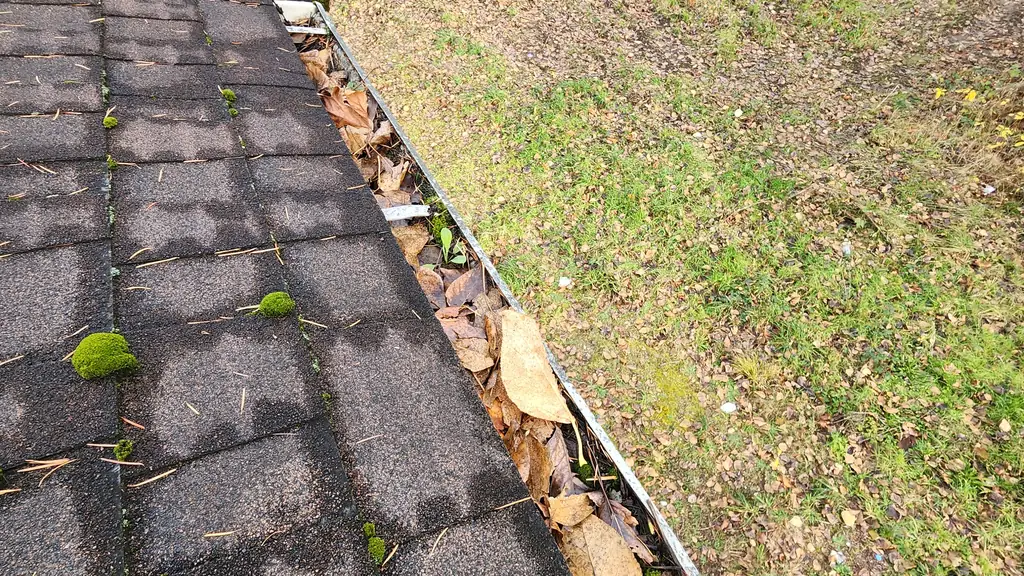
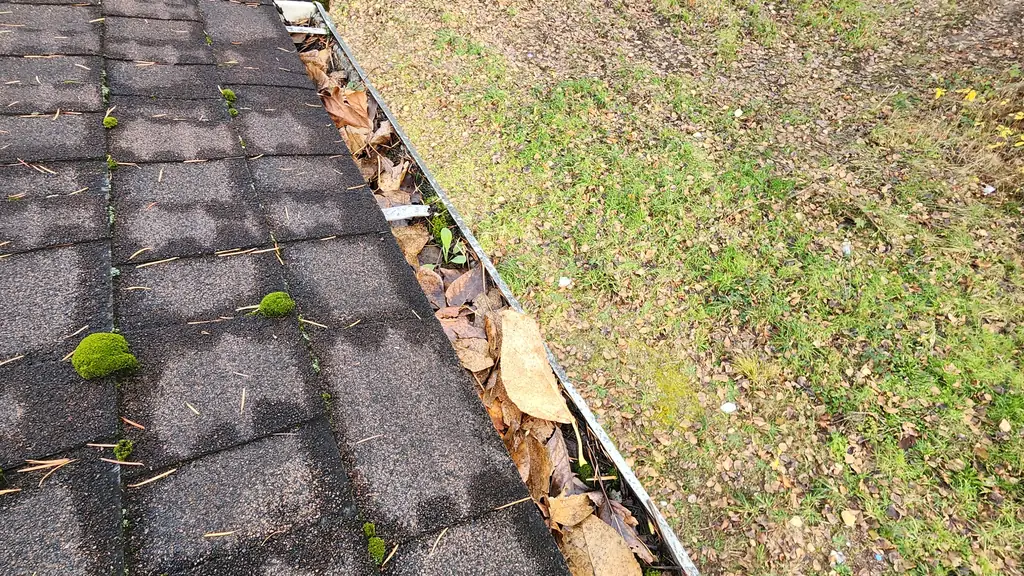
- Skipping annual maintenance, Moss and debris are not just cosmetic issues here. Manufacturers can deny claims if they determine damage resulted from neglected maintenance. In the Fraser Valley, moss can compromise shingle integrity within two to three years if left untreated.
- Pressure washing shingles, We see this constantly in Chilliwack and Abbotsford. Homeowners pressure wash their asphalt shingles to remove moss, blasting away the protective granule layer. This voids most manufacturer warranties instantly.
- Improper ventilation, If your attic does not have adequate intake and exhaust ventilation, excessive heat and moisture will prematurely age your shingles from underneath. Manufacturers require specific ventilation ratios and will deny claims if those are not met.
- Unauthorized modifications, Adding a satellite dish, cutting in a new vent, or installing a skylight without proper flashing and without using a certified installer can void both your manufacturer and workmanship warranties.
- Walking on your roof, Repeated foot traffic on asphalt shingles, especially in cold weather when they become brittle, can crack and damage shingles. This is technically a maintenance issue and can give manufacturers grounds to deny a claim.
The Workmanship Warranty: Where Most People Get Burned
Here is the uncomfortable truth about the roofing industry. Some contractors offer a two or three-year workmanship warranty. Some offer five years. Some offer nothing in writing at all. And when the Fraser Valley winter exposes an installation flaw in year four, those homeowners are on their own.
Johnny and I come from the oil sands where everything is welded to code, inspected, and certified. We brought that discipline to every roof we install. Our 10-year workmanship warranty is not a marketing gimmick. It is a reflection of how we were trained. In the oil field, if a weld fails, people can get hurt. On a roof, if the install fails, a family is dealing with water pouring into their home at 2 AM in November.
Ask any roofer for their workmanship warranty in writing before work begins. If they hesitate or offer less than 10 years, ask why. A roofer who will not stand behind their work for a decade in the Fraser Valley climate either does not trust their own installation quality or does not plan to be around to honor the warranty.
Questions Every Homeowner Should Ask Before Signing
Before you sign a contract with any roofer in the Fraser Valley, get clear answers to these questions. Johnny and I answer all of these on every estimate we give, without being asked.
- What is your workmanship warranty length and is it in writing?
- Is the warranty prorated or non-prorated, and when does proration begin?
- Does the warranty transfer if I sell my home?
- What specific actions on my part could void the warranty?
- Are you certified by the shingle manufacturer to install their product? If not, this may affect the manufacturer warranty.
- What is the claims process if I have a problem? Who do I call first, you or the manufacturer?
- Do you carry liability insurance and WorkSafeBC coverage? Without these, a warranty is meaningless if the company dissolves.
What Happens When You Need to Make a Claim
We have walked homeowners through the claims process dozens of times. Here is how it typically works and what trips people up.
- Document the issue immediately with dated photos and video. Show the damage, the affected area, and the broader roof context.
- Contact your roofer first for workmanship-related issues. Contact the manufacturer first for material defect issues. If you are unsure, start with your roofer.
- Do not attempt repairs before the claim is assessed. Unauthorized repairs can complicate or void a claim.
- Keep all original documentation, your contract, warranty certificates, proof of maintenance, and any correspondence.
- Be prepared for an inspection. Both manufacturers and contractors will want to see the issue in person before approving a claim.
At Fraser Roofing, we keep records of every installation we do. If a homeowner calls us five years after their roof was installed, we can pull up the exact materials used, the installation details, and process a workmanship claim quickly. That is part of standing behind our work.
The Bottom Line from Two Roofers Who Actually Read the Fine Print
Johnny and I tell every homeowner the same thing. A warranty is only as good as the company standing behind it and the conditions your roof faces every day. In the Fraser Valley, those conditions are among the toughest in Canada. Cheap materials with long warranty numbers on the brochure will not save you. A fly-by-night contractor with no written guarantee will not save you. What saves you is quality material installed correctly by people who plan to be here in 10 years when you need them.
We are Chilliwack based. Our kids go to school here. Our neighbours are our customers. When we hand you a warranty, it is personal. Call us at 604-728-0146 if you have questions about your current warranty coverage or want to understand what you are actually getting on a new roof estimate.