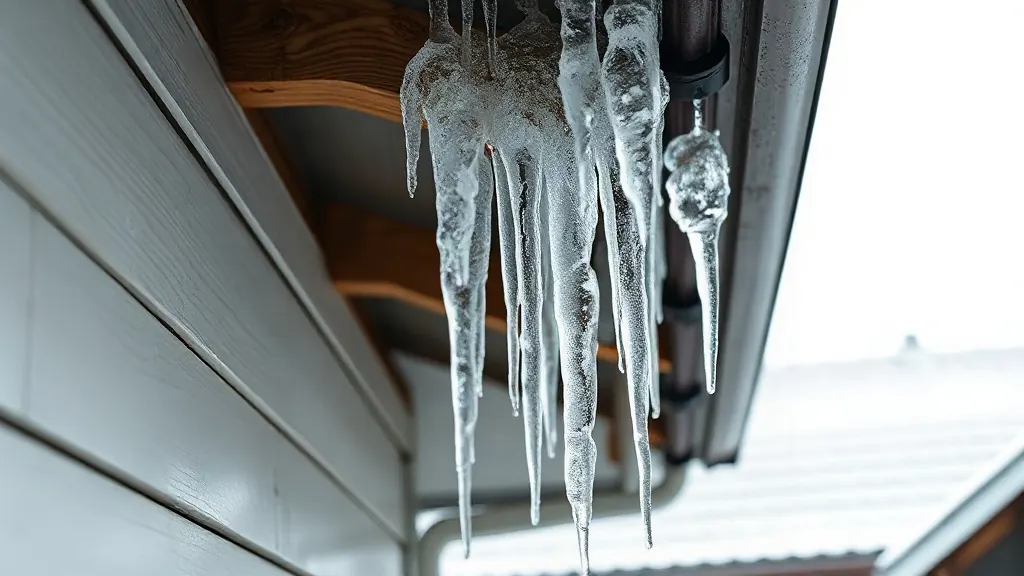
When Johnny and I started roofing in 2016, one of the first things we noticed was how many Fraser Valley homeowners were paying way more than they should on heating. Not because their furnaces were failing, but because their roofs were letting heat escape like a screen door in January. After completing ten years of roofing projects from Hope to Abbotsford, we have learned that the roof over your head is the single biggest factor in whether your energy bills are reasonable or ridiculous.
Why the Fraser Valley Is Different: Your Roof Works Harder Here
People from the Okanagan or Alberta move to the Fraser Valley and cannot figure out why their heating bills jump. The answer is moisture. With 1,500mm of annual rainfall in places like Agassiz and even more near Hope, our homes sit in some of the dampest air in Canada. That humidity does not just rot shingles, it degrades the insulation in your attic, reducing its ability to keep heat inside your home.
- Fraser Valley humidity regularly exceeds 80% from October to March
- Wet insulation loses 30-40% of its thermal resistance (R-value)
- River fog along the Harrison corridor traps moisture in attic spaces for weeks
- Mild winter temperatures mean condensation forms more readily than in dry-cold climates
- Homes in Agassiz, Chilliwack, and Rosedale are especially vulnerable due to valley floor positioning
We have seen homes in the Agassiz area where attic insulation was so moisture-saturated that it had compressed to half its original thickness. That homeowner was essentially heating their house with half the insulation they thought they had, and their energy bills showed it.
The Three Things That Actually Save You Money
After hundreds of projects, we have narrowed it down to three upgrades that consistently deliver real, measurable savings on Fraser Valley energy bills. Forget the gimmicks and marketing hype, this is what works in our climate.
1. Proper Attic Ventilation, The Single Best Investment
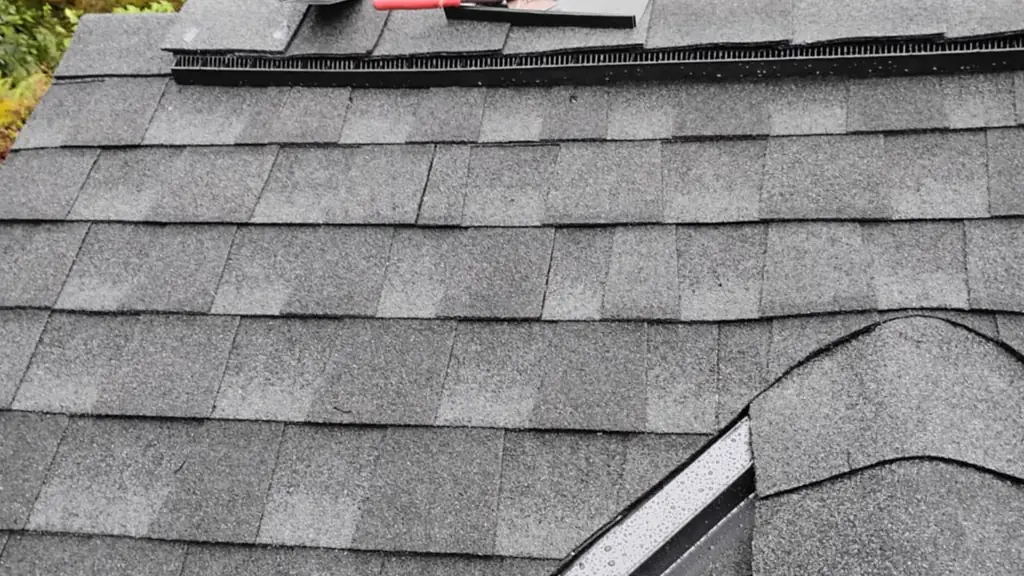
If your home has sealed or blocked soffits, a ridge without venting, or only a couple of static vents on a large roof, you are almost certainly losing money. Proper ventilation means continuous intake at the soffits and continuous exhaust at the ridge. This creates airflow that removes moisture before it can damage insulation, prevents ice dams, and keeps your attic temperature close to outdoor temperature, which is exactly what you want.
- Cost to upgrade ventilation: typically $1,500-$3,000 during a re-roof
- Annual savings: $150-$400 depending on home size and current ventilation state
- Payback period: 4-8 years on ventilation alone, plus you extend your roof lifespan by years
- Works with any roofing material, asphalt shingles, metal panels, even flat roofs
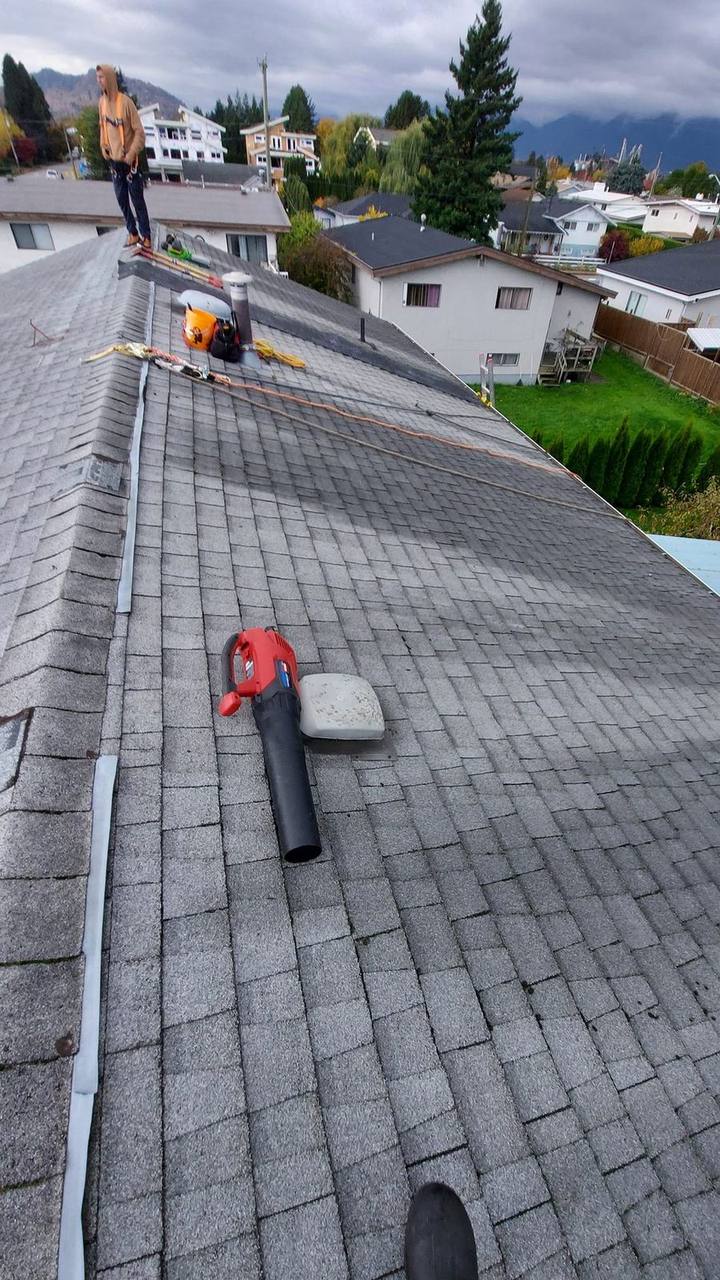
During every re-roof we do at Fraser Roofing, we evaluate your ventilation system and recommend upgrades if needed. We have saved homeowners in Chilliwack and Abbotsford hundreds per year just by adding proper soffit intake to homes that had none.
2. Metal Roofing, The Long Game That Pays Off
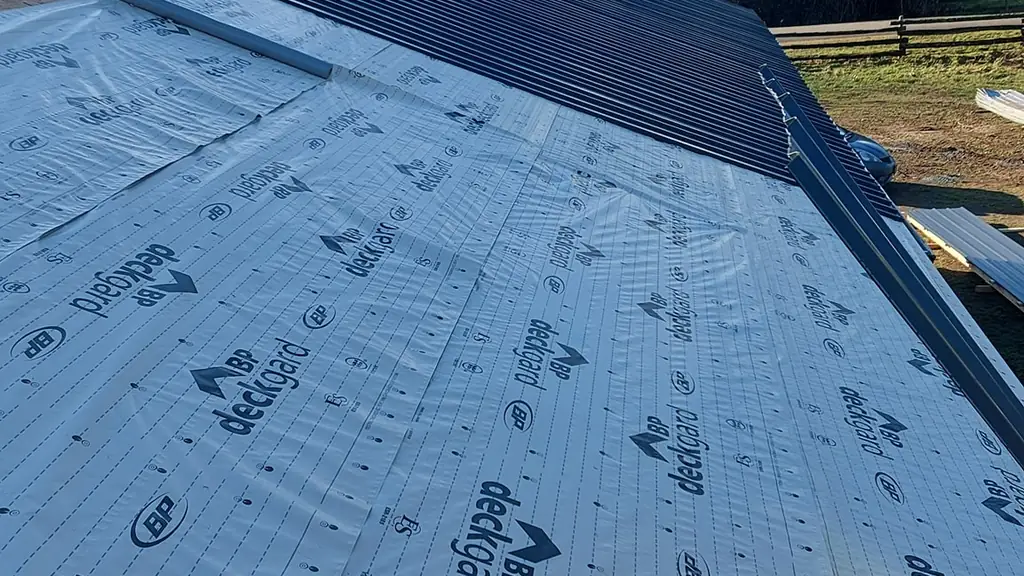
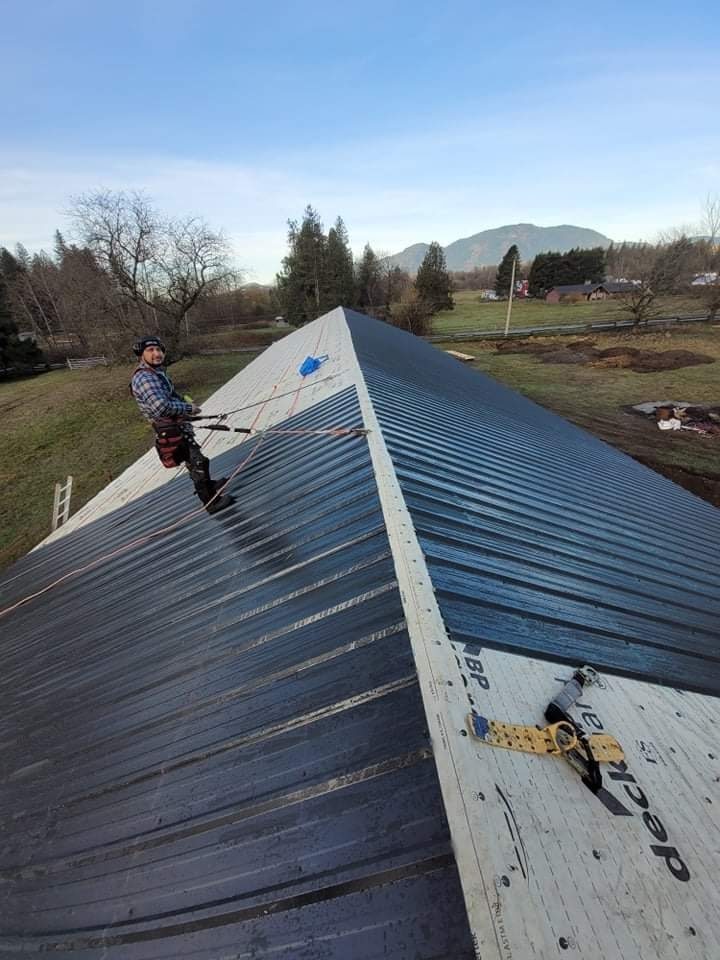
Johnny and I both have Red Seal Boilermaker backgrounds, so we understand metal at a molecular level. Metal roofing is not just durable, it is the best moisture management system you can put on a Fraser Valley home. Unlike asphalt shingles that absorb water as they age, metal sheds everything instantly. Your roof deck stays dry, your insulation stays effective, and your heating system does not have to compensate for moisture-degraded thermal resistance.
- Standing seam metal eliminates exposed fastener leak points entirely
- Reflective coatings on metal reduce summer heat gain by up to 25%
- Metal roofs last 40-60 years versus 20-25 for asphalt in our climate
- The energy savings compound over decades, a metal roof installed today could save you $8,000-$15,000 in heating costs over its lifetime
- We source our metal panels from trusted Fraser Valley suppliers who understand local climate demands
3. Insulation and Air Sealing, Fix What Is Already There
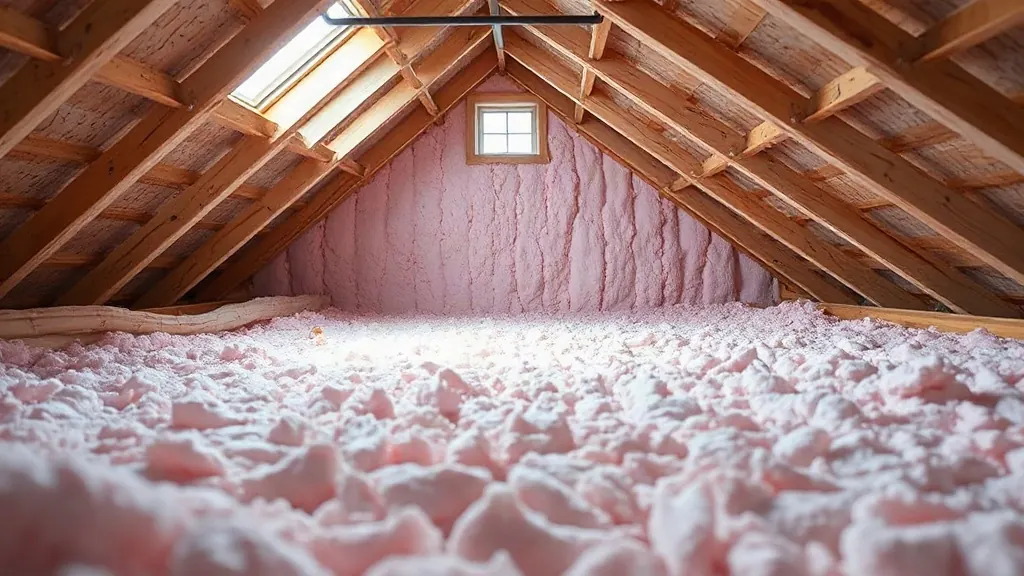
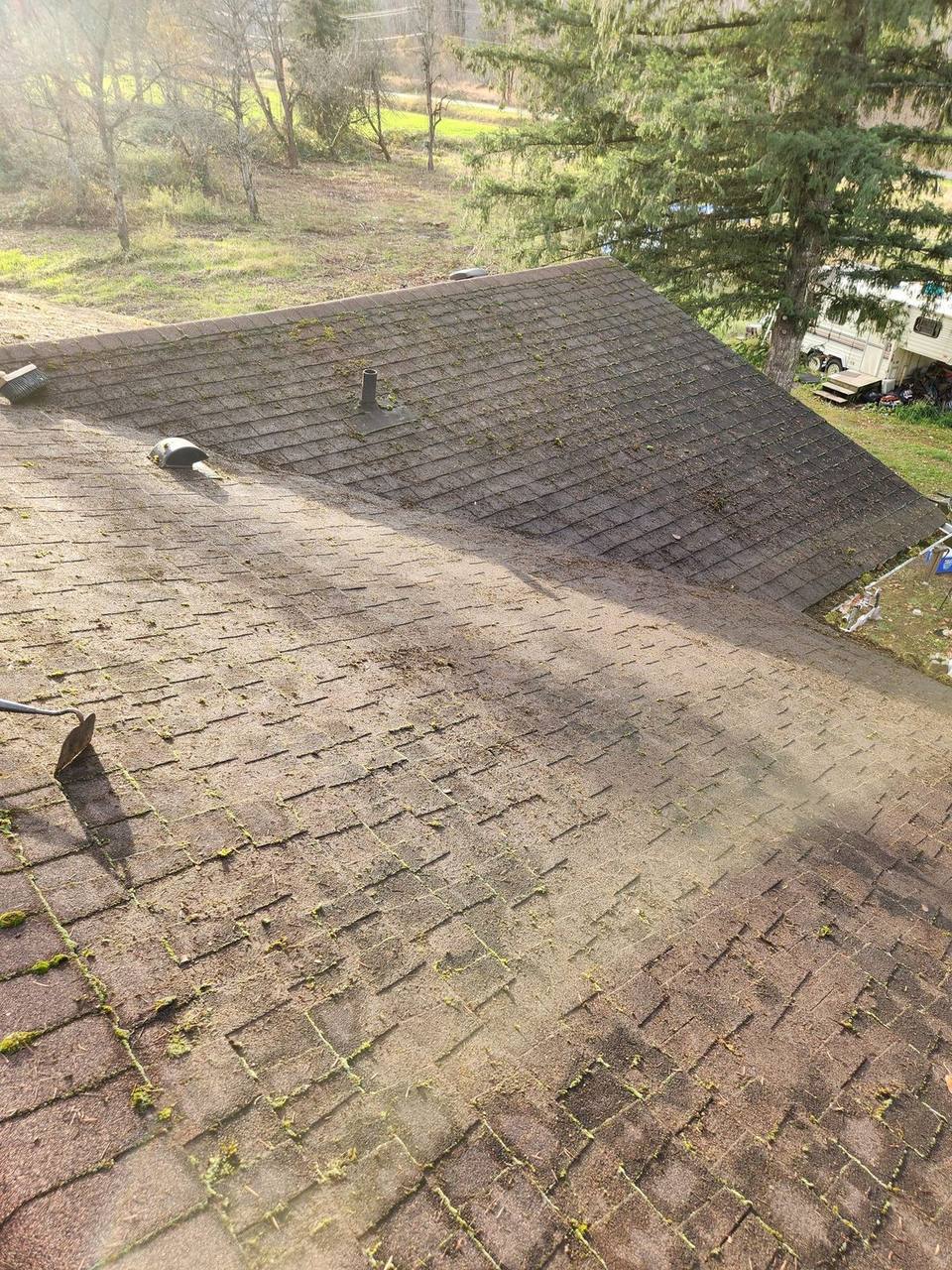
Sometimes you do not need a new roof at all. If your shingles are in decent shape but your energy bills are climbing, the problem might be entirely in the attic. Air leaks around plumbing stacks, bathroom vents, recessed lights, and attic hatches can account for 20-30% of heat loss in a typical home. Sealing these gaps and topping up insulation to current code standards (R-50 in our climate zone) can deliver savings that rival a full roof replacement.
A common mistake we see in the Fraser Valley: homeowners add insulation without fixing ventilation first. Extra insulation without proper airflow traps more moisture, accelerates rot, and can actually make your energy bills worse. Always address ventilation before insulation.
Real Numbers From Real Fraser Valley Projects
We do not like throwing around vague percentages, so here are actual scenarios from our work across the valley.
- Agassiz rancher, 1,400 sq ft: Added ridge vent and soffit intake during re-roof. Heating bill dropped $45/month in the first winter, about $270 annually
- Chilliwack split-level, 2,200 sq ft: Full re-roof with standing seam metal plus ventilation upgrade. Combined savings of $55/month on heating and the homeowner stopped spending $300/year on moss treatment
- Harrison Hot Springs cabin, 900 sq ft: Sealed attic bypasses and added blown-in insulation to R-50. Winter heating bill dropped by roughly 30%, about $600 per season
- Rosedale farmhouse, 2,800 sq ft: Replaced 28-year-old shingles, added balanced ventilation, upgraded attic insulation. Total energy savings exceeded $800 per year
When a Roof Upgrade Makes Financial Sense (And When It Does Not)
We are honest with our customers, Johnny and I would rather tell you the truth than sell you something you do not need. A roofing upgrade for energy savings makes the most sense when your roof is already nearing end-of-life (15+ years for asphalt in the Fraser Valley), when you are seeing signs of moisture damage in the attic, or when your energy bills have been climbing without explanation.
If your roof is relatively new and in good shape, improving attic ventilation and sealing air leaks will usually deliver better return-on-investment than a full replacement. We will tell you that during our free inspection, we are not going to push a $15,000 roof on someone who needs a $2,000 ventilation fix.
Every free inspection from Fraser Roofing includes an honest energy assessment. We check ventilation, look for moisture in the attic, and evaluate insulation condition. If your roof is costing you money on energy, we will tell you exactly what to fix and what to leave alone. Call us at 604-728-0146 or book online.
The Bottom Line for Fraser Valley Homeowners
Your roof is not just weather protection, it is the lid on your home's thermal envelope. In the Fraser Valley, where moisture is the real enemy of energy efficiency, the right roofing decisions can save you thousands over the life of your roof. Whether that means proper ventilation during a re-roof, upgrading to metal panels, or simply sealing attic air leaks, the investment pays for itself. Johnny and I have seen it hundreds of times across Agassiz, Chilliwack, Hope, Abbotsford, and everywhere in between. Your roof should work for you, not against you.