BC Building Codes & Manufacturer Specs: What Fraser Valley Homeowners Need to Know
The rules that protect your roof, your warranty, and your investment, explained by tradesmen who follow them on every job
Last updated: February 2026
When we started roofing back in 2016, one thing we brought from our years as Red Seal Boilermakers in the oil sands was a deep respect for codes and specifications. In industrial work, cutting corners on specs can get people killed. Roofing is no different in principle, the codes and manufacturer specs exist because roofs that ignore them fail early, leak, lose warranty coverage, and cost homeowners thousands in avoidable repairs.
We put together this section because we got tired of seeing Fraser Valley homeowners get burned by contractors who didn't pull permits, didn't follow manufacturer nailing patterns, or didn't know the local snow load requirements for Agassiz versus Abbotsford. The information here is the same stuff we reference on every job site.
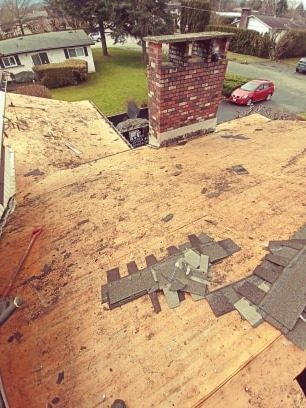
BC Building Code for Roofing
The specific BC Building Code sections that govern residential roofing in the Fraser Valley. We cover fire ratings, structural load requirements, ventilation rules, underlayment standards, and the permit process for communities from Hope to Abbotsford.
- Fire ratings: Class A required across most Fraser Valley zones
- Snow and wind loads specific to our region's elevations
- Ventilation rules (1:300 minimum, and why we go further)
- Ice and water shield requirements for our wet climate
- Permit process and inspection expectations
Manufacturer Installation Specs
Every shingle manufacturer publishes exact installation requirements. We break down the specs from IKO, CertainTeed, BP, Owens Corning, and GAF (the brands we install most often across the Fraser Valley) so you can verify your roof was done right.
- Nailing patterns: 4-nail vs 6-nail and when each applies
- Nail placement zones and why millimeters matter
- Required starter strips, ridge caps, and accessories
- System warranties vs standard material warranties
- The spec violations we see most often on Fraser Valley tear-offs
Warranty Compliance & Protection
Your roof warranty is only as good as the installation behind it. We walk through registration deadlines, maintenance requirements, common exclusions, and the claims process. After ten years of roofs across the Fraser Valley, we have seen what voids warranties and what keeps them intact.
- Registration deadlines (most manufacturers require 60-90 days)
- Maintenance obligations that keep coverage active
- The fine print: exclusions, prorated coverage, and transfer rules
- Step-by-step guide to filing a warranty claim
- How we document installations to support future claims
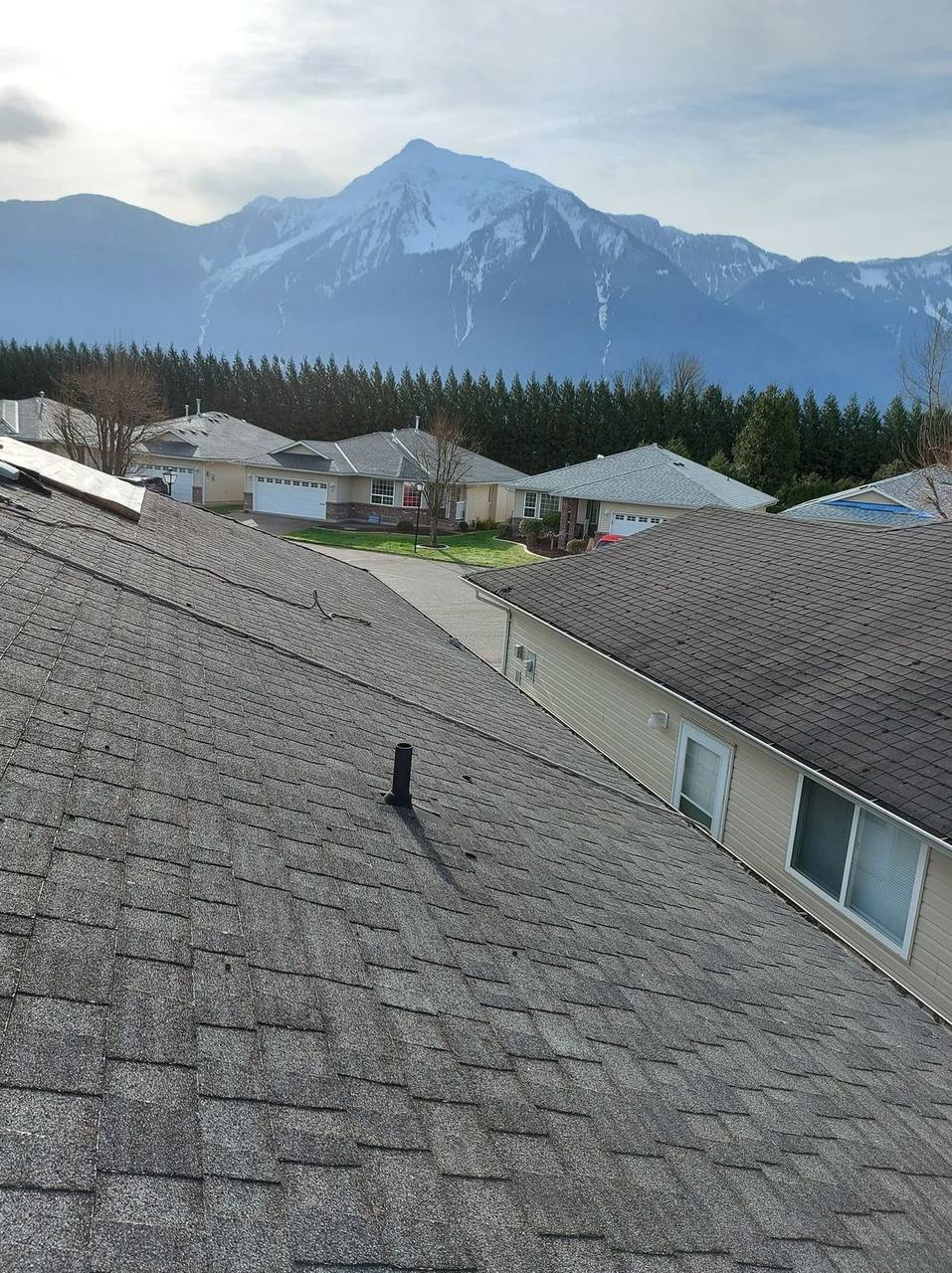
Why We Take Codes and Specs Seriously
Johnny and I spent years working under Red Seal standards in industrial environments where precision was non-negotiable. When we transitioned to roofing, we brought that same mindset. Codes and manufacturer specs are not bureaucratic hoops to jump through, they are the bare minimum for a roof that will actually perform in the Fraser Valley's rain, snow, and wind.
Codes ensure your roof handles the snow loads, wind uplift, and fire exposure specific to your Fraser Valley location
Proper installation per manufacturer specs can extend a roof's service life by 30-50% compared to sloppy work
One spec violation can void a 25 or 50-year warranty entirely. We document everything so your coverage holds
A permitted, code-compliant roof with transferable warranty adds real value when it is time to sell
Our Standard Exceeds the Minimum
Every Fraser Roofing project in the Fraser Valley is built above code minimums as standard practice. This is not an upgrade package, it is just how we work.
Questions about codes, specs, or whether your current roof meets standards? Call us at 604-728-0146.
Explore More Topics
Want someone to look at your roof?
Kory & Johnny have roofed homes across the Fraser Valley since 2016. Free inspections, honest estimates, no pressure.
604-728-0146Text UsEmailServing Hope, Agassiz, Chilliwack, Rosedale, Abbotsford & the entire Fraser Valley
Frequently Asked Questions
Do I need a permit for a roof replacement in the Fraser Valley?
Yes. In most Fraser Valley municipalities (Chilliwack, Abbotsford, Harrison, Agassiz, Hope) a building permit is required for a full roof replacement. Re-roofing over a single existing layer sometimes qualifies for an exemption, but adding a second layer or doing structural work always requires a permit. We pull permits on every full replacement and handle the inspection scheduling so you don't have to.
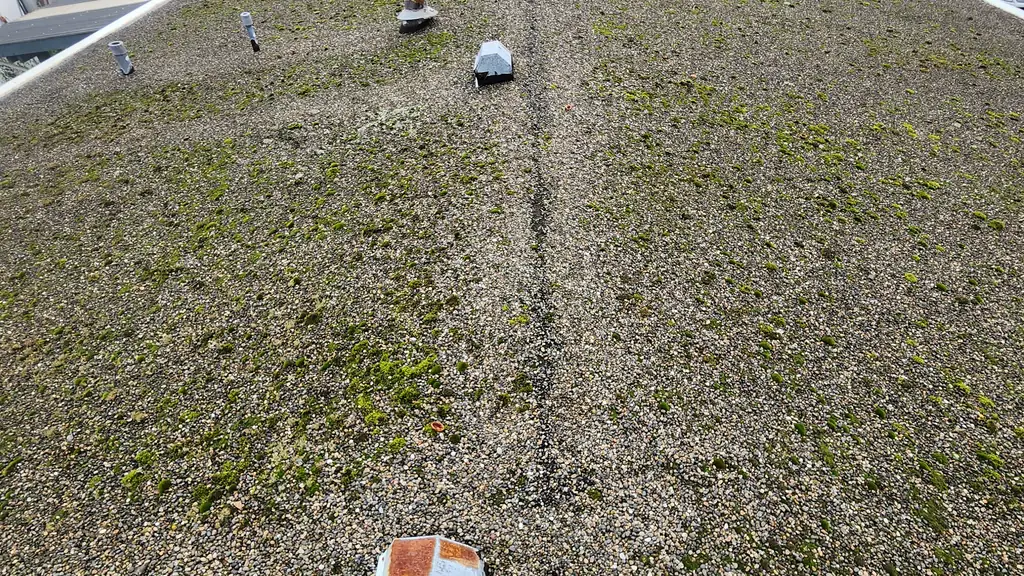
What snow load does the BC Building Code require for Fraser Valley roofs?
Snow load requirements vary by elevation and municipality across the Fraser Valley. Lower-elevation areas like Abbotsford and Chilliwack typically require designs for 1.5-2.0 kPa ground snow loads, while higher-elevation communities like Agassiz, Harrison, and Hope can require 2.5 kPa or more. Your roof's framing, sheathing, and connection details all need to accommodate these loads. We design every project around the specific requirements for your address.
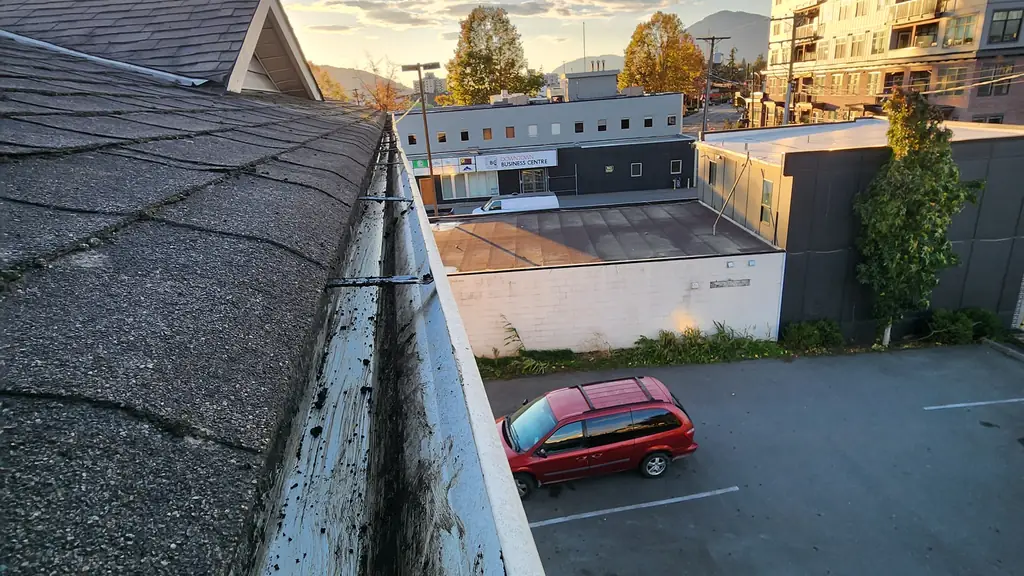
Will my warranty be void if the roofer doesn't follow manufacturer specs?
Absolutely. Manufacturer warranties (whether from IKO, CertainTeed, BP, or Owens Corning) require that shingles be installed exactly per their published specifications. Common violations include using 4 nails instead of 6 in high-wind zones, wrong nailing placement, skipping starter strips, or using incompatible underlayment. Any of these can void your warranty entirely. We follow every manufacturer spec to the letter and document the installation.
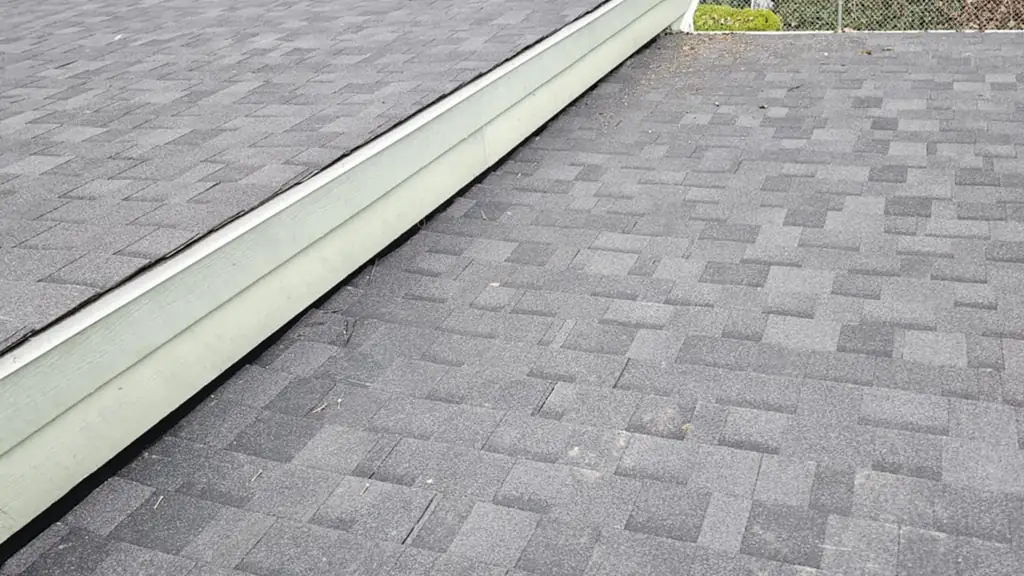
What is the BC Building Code ventilation requirement for roofs?
The BC Building Code requires a minimum net free ventilation area of 1:300 (1 square foot of ventilation for every 300 square feet of attic floor space), split evenly between intake at the soffits and exhaust at or near the ridge. In the Fraser Valley's wet climate, proper ventilation is critical to prevent condensation, mold, and premature shingle failure. We exceed this standard on every project.
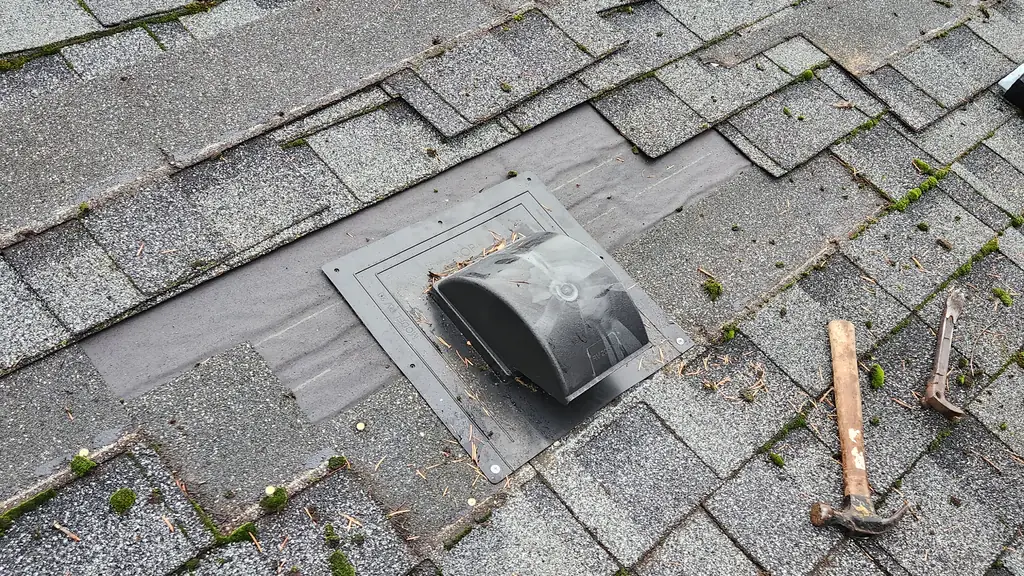
How does Fraser Roofing exceed minimum BC building code requirements?
We exceed BC minimums as standard practice on every Fraser Valley project: 72-inch ice and water shield application instead of the 36-inch minimum, 6-nail fastening pattern instead of 4, synthetic underlayment instead of organic felt, and ventilation balanced to 1:300 or better. These aren't upsells, they're just how we build roofs. Our background as Red Seal Boilermakers taught us that meeting minimum standards isn't good enough when the work has to last.
$1,000 off applies to full roof replacements of 3,000 sq ft or more. Cannot be combined with other offers or previously placed orders. Not valid on partial jobs, repairs, or insurance claims.