
Your Neighbour Roofers for Harrison Hot Springs
Most roofers quoting Harrison jobs are driving 45 minutes from Chilliwack. We are loading up in Agassiz and rolling out in ten. Kory and Johnny Peters built FRASER ROOFING LTD. around one idea: lakeside properties deserve a crew that actually knows what Harrison Lake weather does to a roof, not a crew Googling directions on the way over.
- Based in Chilliwack — fast response time to Harrison
- Red Seal Boilermaker tradesmen — precision metalwork and welding background
- 500+ roofs completed across the Fraser Valley since 2026
- Seasonal cabin and vacation rental maintenance programs
- Fully licensed and insured — covered for resort and lakefront work
Agassiz and Harrison Are Practically One Town — We Treat Them That Way
Harrison Hot Springs sits at the southern tip of Harrison Lake, separated from our Agassiz headquarters by a single stretch of Hot Springs Road. That geographic reality shapes how we work. When a Harrison homeowner calls about a leak, we are not scheduling around a highway drive — we are on site before lunch. When a winter windstorm rips shingles off a lakeside cabin at 6 AM, we are pulling into the driveway while contractors from Chilliwack are still merging onto Highway 1.
Kory and Johnny Peters grew up around this area. They have walked the trails at Sasquatch Provincial Park, fished on Harrison Lake, and watched the sand sculpture competitions in town. When they launched FRASER ROOFING LTD. in 2026 after years as Red Seal Boilermakers in the oil sands, Harrison was one of the first communities they served. With 500-plus roofs to their name, they have handled everything from cedar shake teardowns on heritage hot springs cottages to standing seam metal installs on modern resort cabins perched above the lake.
Harrison is not just a dot on our service map. It is the neighbourhood next door. Call us at (778) 860-4747 and you will be talking to the same people who grab coffee at the Harrison Grind before heading to your jobsite.
What Harrison Lake Does to a Roof
Living beside one of BC's largest lakes creates roofing conditions you will not find in Chilliwack or Abbotsford. Here is what we deal with on Harrison jobs — and how we solve it.
Persistent Lake-Effect Fog and Moisture
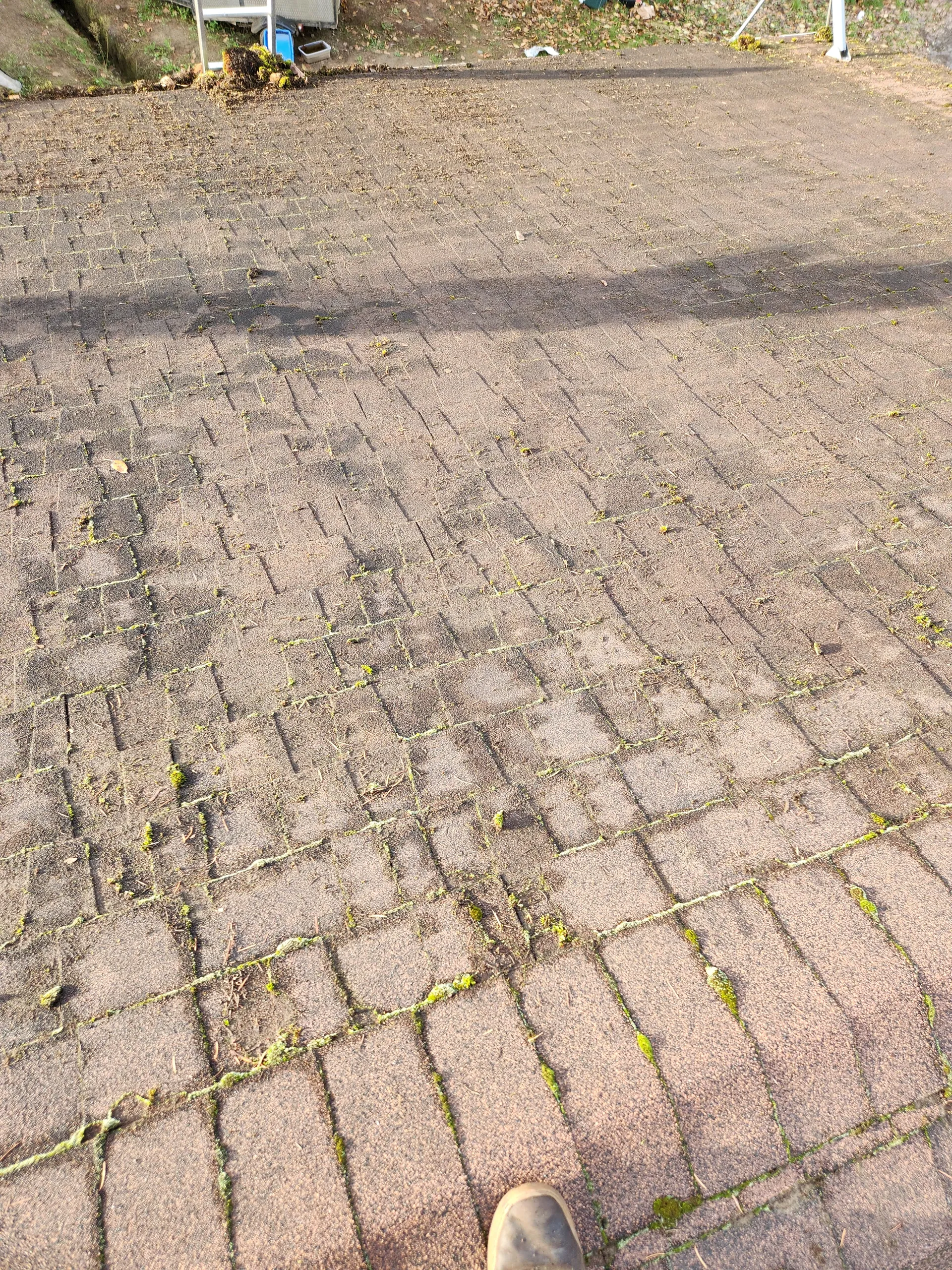
Heavy moss infestation on a Fraser Valley roof — the type of damage Harrison Lake moisture accelerates if left unchecked.
Harrison Lake is 60 kilometres long. That much water generates morning fog that rolls through town from early fall through late spring, coating every roof surface with condensation that does not burn off until mid-day — if it burns off at all. Properties on Esplanade Avenue, Lillooet Avenue, and the streets closest to the waterfront get hit hardest, but even homes partway up the hillside toward Agassiz experience it.
This chronic dampness feeds moss and algae colonies that would take years to establish in drier parts of the valley. On Harrison roofs, we routinely see thick moss mats that developed in a single winter. The moss holds moisture against shingle surfaces, breaks down protective granules, and wicks water under overlapping edges — turning what should be a 25-year shingle into a 15-year problem.
How we handle it: We install algae-resistant shingles with embedded copper granules that inhibit biological growth, pair them with synthetic underlayment rated for prolonged moisture exposure, and design ventilation layouts that pull damp air out of the attic cavity before it condenses on the roof deck. For cabins and cottages that want zero maintenance, we steer owners toward standing seam metal — moisture has nothing to grip. Harrison Lake moisture consultation: (778) 860-4747.
Mountain Valley Snow Loads and Wind Funnelling
Harrison sits at the bottom of a valley framed by mountains on three sides. Winter storms that track up the Fraser Valley get compressed as they funnel toward Harrison Lake, producing sudden wind gusts that peel back shingle edges and loosen flashings around chimneys and skylights. The same geography traps cold air, bringing snowfall amounts that surprise owners accustomed to Chilliwack or Abbotsford conditions.
Snow sits longer on Harrison roofs than on valley-floor properties because shaded lots surrounded by tall evergreens never get full sun exposure. That lingering snow goes through freeze-thaw cycles, creating ice dams along eaves that back water under shingles. Properties with low-slope sections — common on older Harrison cottages — are particularly vulnerable.
How we handle it: We use high-wind rated shingles with six-nail patterns on exposed Harrison properties, install ice and water shield membrane along eaves and valleys, and ensure ridge ventilation is adequate to keep attic temperatures close to outdoor air — the single most effective ice dam prevention measure. For properties with steep roof lines or heavy snow exposure, metal roofing with snow guards prevents dangerous slide-offs. Mountain weather protection: (778) 860-4747.
Vacation Properties That Sit Empty All Winter
Harrison Hot Springs is a summer town. Weekenders, Airbnb hosts, and vacation cabin owners pack the village from May through September, then many of those properties go dark for six months. A windstorm in November lifts three shingles. Rain enters the attic through December, January, February. By the time the owner unlocks the door in April, there is mold on the ceiling drywall, staining on the walls, and water damage that costs ten times what a shingle repair would have cost in November.
We have responded to more than a few of those spring-surprise calls from Harrison property owners. The story is always the same: nobody was checking the roof, a small problem compounded over months, and now the repair bill includes interior restoration on top of the roofing work.
How we handle it: We offer a Harrison seasonal inspection package — one visit in late October before winter sets in, one in early April after the worst weather has passed. Each inspection includes a full roof walkover, gutter and valley clearing, photo documentation sent to your email, and a written condition report. Because we are 10 minutes away in Agassiz, these inspections do not carry the travel surcharges a Chilliwack-based crew would add. Seasonal inspection booking: (778) 860-4747.
Forest Canopy, Debris, and Critter Damage
Harrison properties are tucked into dense stands of Douglas fir, western red cedar, and hemlock. The canopy provides shade and privacy, but it also dumps needles, cones, bark strips, and small branches onto roofs year-round. Organic debris piles up in valleys, behind chimneys, and inside gutters. When it decomposes, it traps moisture against the roof surface and creates acidic sludge that eats into shingle granules.
Then there are the animals. Raccoons pry open soffit vents to nest in warm attics. Squirrels gnaw fascia boards. Woodpeckers drill holes in cedar shake. Bears — yes, bears — occasionally damage ridge caps investigating interesting smells. For vacant properties, these issues escalate unchecked.
How we handle it: Metal vent covers rated for wildlife resistance, reinforced soffit closures, debris-clearing as part of every maintenance visit, and zinc ridge strips that prevent moss regrowth between cleanings. For heavily canopied lots, we coordinate with local arborists to clear branches within 6 feet of the roofline — reducing debris volume and allowing sunlight to dry the roof surface after rain. Harrison canopy solutions: (778) 860-4747.
Roofing Services Built for Harrison Properties
Standing Seam Metal for Lakeside Cabins
The top recommendation for Harrison waterfront and near-waterfront properties. Standing seam metal sheds fog moisture, resists moss entirely, handles snow loads without granule loss, and lasts 50-plus years with virtually zero maintenance. We install panels in colours that complement Harrison's natural surroundings.
Seasonal Inspection Packages
Designed specifically for Harrison vacation properties and Airbnb rentals. Fall pre-winter check plus spring post-winter check. Includes debris clearing, gutter cleanout, moss treatment, photo documentation, and a written report emailed to you wherever you are. No surprises when you return.
Full Tear-Off and Re-Roof
Many Harrison cabins still carry their original shingle layers from the 1980s and 1990s. We strip everything down to the decking, inspect and repair sheathing, install modern ice and water shield plus synthetic underlayment, and re-roof with materials rated for Harrison's moisture-heavy climate. No shortcuts, no layovers.

Finishing up the shingling near the ridge cap -- the final details that separate a quality installation from a rushed one.
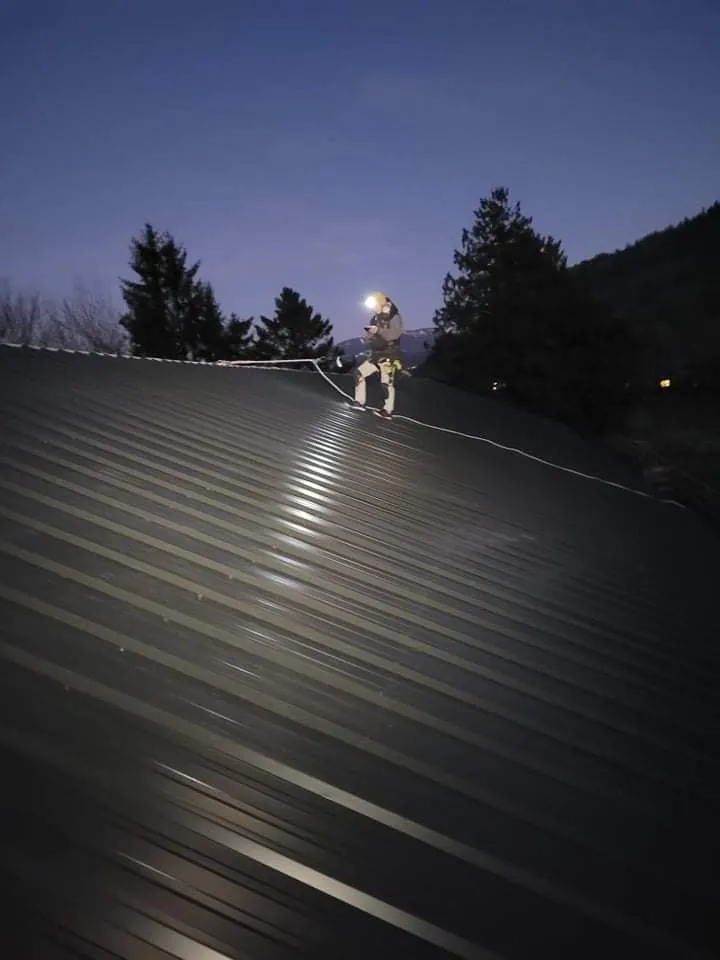
Kory Peters on a metal roof installation — the same crew that shows up for Harrison roofing jobs.
Meet the Crew That Shows Up for Harrison
Kory and Johnny Peters are not sales reps handing you a brochure — they are the guys on the ladder. Both earned Red Seal Boilermaker certifications and spent years in the Alberta oil sands fabricating pressure vessels, welding structural steel, and working under the most demanding quality standards in heavy industry. In 2026, they brought that precision home to Agassiz and started Fraser Roofing Ltd.
The Boilermaker background shows in their metalwork. Flashing details that other roofers caulk and walk away from, Kory and Johnny bend, solder, and seal correctly. When they install a chimney cricket or a valley transition on a Harrison lakeside property, it is fabricated to the kind of tolerances you would expect in an industrial setting — not a roofing one.
500-plus roofs, and they still answer their own phone. That is the business they wanted to build.
Certified Boilermakers — precision metalwork, welding, and fabrication skills applied to every flashing, transition, and custom detail on your Harrison roof.
Our Agassiz shop is closer to Harrison Hot Springs than any other professional roofing contractor in the Fraser Valley. Period.
No subcontractors, no middlemen. Kory and Johnny are on your roof, inspecting your property, and answering your calls directly.
Harrison Roofing Questions We Get Asked
Straight answers from the crew that works Harrison properties every week.
How close is FRASER ROOFING LTD. to Harrison Hot Springs?
Our shop is in Agassiz, BC — roughly 10 minutes from downtown Harrison Hot Springs. That proximity means shorter response times and lower travel costs for Harrison homeowners compared to roofers based in Chilliwack or beyond. We know the roads, the weather patterns, and the local building stock.
What roofing material holds up best near Harrison Lake?
Standing seam metal roofing outperforms every other option in Harrison's lakeside climate. The constant moisture from Harrison Lake accelerates moss and algae on asphalt shingles, but metal panels shed water and debris without absorbing moisture. For budget-conscious homeowners, algae-resistant architectural shingles with copper granules are a solid second choice.
Do you handle roofing on vacation cabins and seasonal properties in Harrison?
Absolutely. A large portion of our Harrison work involves cabins and vacation rentals that sit empty for months. We offer seasonal inspection packages — a fall check before winter storms and a spring check after snowmelt — so problems get caught early instead of festering unnoticed until the owner returns.
How does Harrison Lake weather affect roof lifespan?
Harrison Lake creates a microclimate with persistent fog, higher humidity, and heavier precipitation than the lower Fraser Valley. Roofs near the lake can stay damp well past noon on foggy mornings, which accelerates biological growth and shortens shingle life by several years if left untreated. Proper ventilation, algae-resistant materials, and regular maintenance offset most of that impact.
Can you do emergency roof repairs in Harrison during winter storms?
Yes. Because we are based in Chilliwack, we can reach Harrison properties quickly. During severe weather events we carry tarps, fasteners, and temporary repair materials so we can stabilize a roof the same day, then return for a permanent fix once conditions allow safe work.
Harrison Trusts the Crew from Next Door
From lakefront resort properties to tucked-away forest cabins, Harrison homeowners choose FRASER ROOFING LTD. because we are local, honest, and technically precise. We are not trying to be the biggest roofer in BC — just the best one within 10 minutes of your front door.
Fraser Valley roofs completed
Drive from our shop to Harrison
Serving the Fraser Valley
Every project covered
Free Roof Inspection for Harrison Properties
Whether you live lakeside full-time, rent your cabin on Airbnb, or only visit Harrison in the summer — your roof deserves a crew that knows this area inside and out. Book a free inspection with Kory or Johnny today.
Last updated: February 2026